OPRK1 Gene
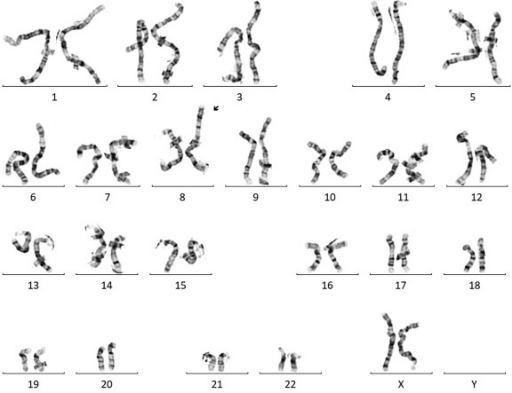
The OPRK1 protein-coding gene, located on chromosome 8 in humans, belongs to a family of genes that code for opioid receptors. Within the OPRK1 gene is the information needed to produce a type of protein involved in opioid signaling, which helps regulate pain perception, mood, and stress in various brain regions. This connects gene expression and physiological expression, showing how genetic information is translated into functional proteins that influence neural activity. The OPRK1 gene is a member of the G protein-coupled receptor (GPCR) family which contains genes that produce proteins which allow signaling from outside the cell to inside the cell. This process occurs through G-protein signaling pathways, thus leading to changes in cellular activity and release of nerve cell signaling neurotransmitters. At the molecular level, this represents signal transduction, in which extracellular ligand binding is translated into intracellular responses through receptor pathways.
Gene Expression
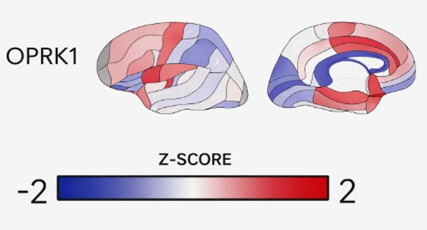
Expression of OPRK1 occurs mainly within areas of the brain related to emotional regulation and sensory processing, specifically within the thalamus of the brain. Because the OPRK1 gene is also involved with signaling within the nervous system, it is considered to be a more important part of the brain system that helps regulate pain perception and behavior in stress. There can also be differential OPRK1 gene expression, due to variance in genetics, which may potentially contribute to differences among species types. Such variation in gene expression may also cause distinctions between individuals in their sensitivity levels to pain and stress.
Receptor Activation
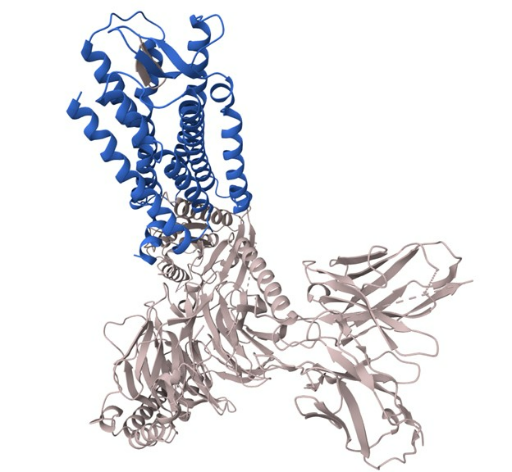
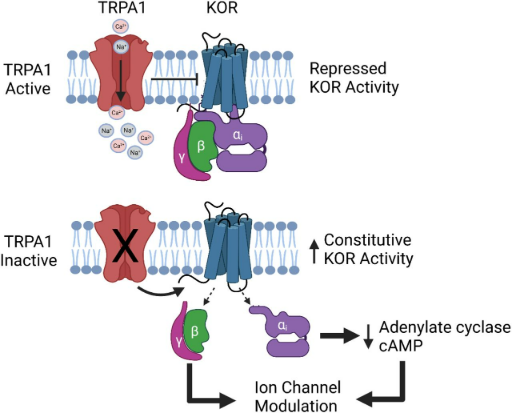
The OPRK1 gene encodes the kappa opioid receptor (KOR), which is a G-protein coupled receptor located in the plasma membrane. Connecting back to our previous section which mentioned extracellular ligands and intracellular signaling pathways, KOR is the transmembrane protein that enables communication between them. When an opioid drug binds to the receptor produced by the OPRK1 gene, it causes a conformational change in the receptor that activates intracellular G-proteins. This produces an intracellular signal by inhibiting the activity of adenylate cyclase and decreasing the production of cyclic AMP (cAMP).

Signaling Effects
Decreased cAMP levels further reduces the neurotransmitter release, disrupts downstream signaling pathways, and alters normal cellular communication. Signaling within the nervous system and the perception of pain are significantly affected, showing how molecular-level receptor activity leads to overall physiological impacts. Additionally, because OPRK1 sits on the cell’s surface in the plasma membrane, opioids can also affect the receptor’s position and function.
Repeated Activation
Repeated opioid exposure can possibly change receptor activity and downstream pathways, including changes in neurotransmission such as dopamine, GABA, and glutamate release. This occurs due to sustained activation of the kappa opioid receptor, which leads to extended inhibition of adenylate cyclase and significant reduction in cAMP levels. This disruption in intracellular signaling can further lead to changes in neurotransmitter release and overall neural communication. Over time, these molecular and cellular adaptations can lead to long changes in neural function, showing the OPRK1 gene's significant role in the development of opioid dependence.
